
The Real Reason People Fear Aesthetic Treatments
Walk into any aesthetic consultation and you will hear a familiar sentence:
“I’ve been thinking about this for years… I’m just scared.”
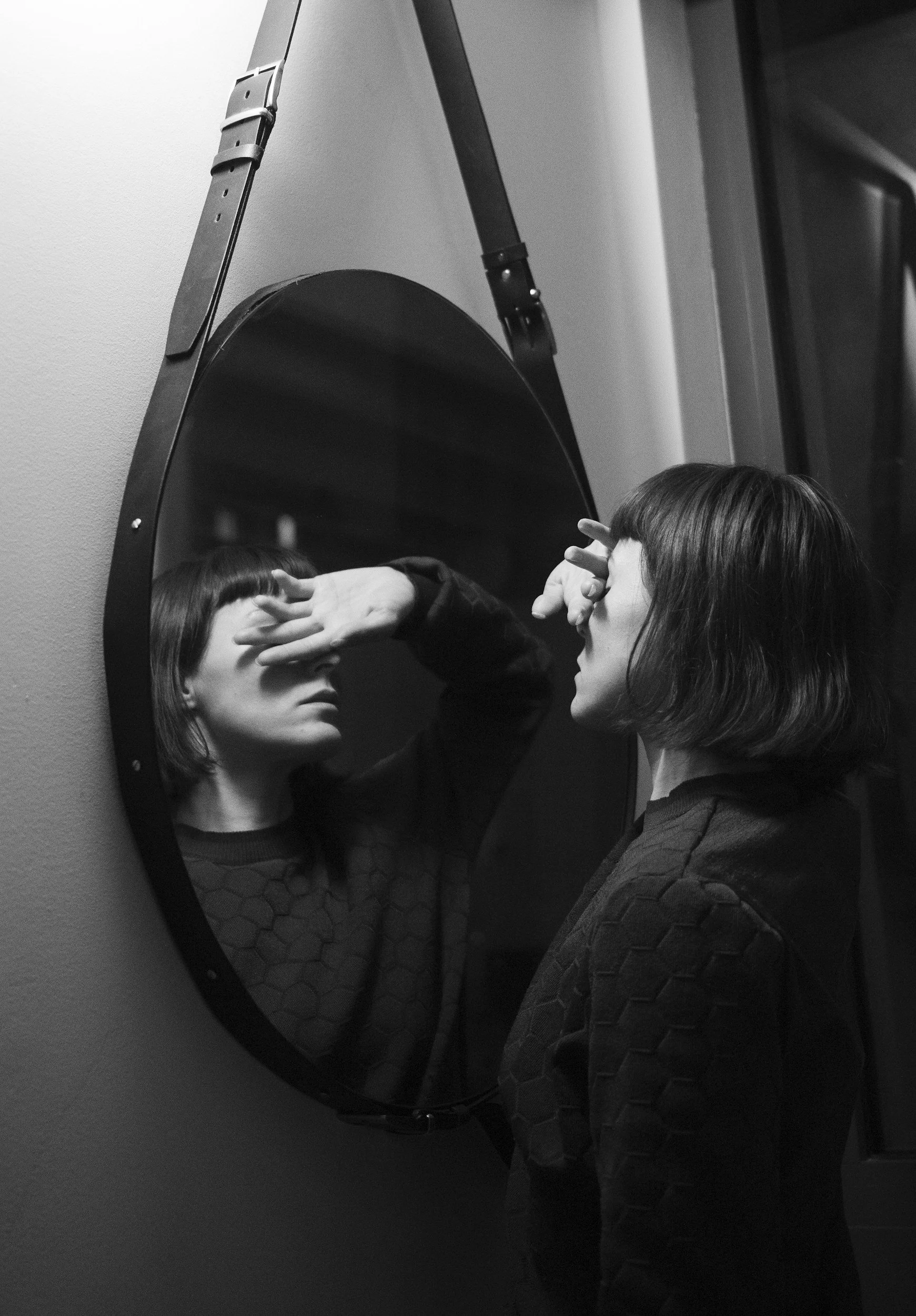
The Real Reason People Fear of Aesthetic Treatments
Fear of aesthetic treatments is one of the most common barriers we see at Jules Med Spa in San Antonio. But here's what surprised me after fifteen years of consultations: the fear almost never comes from where patients think it does.
Most people assume their hesitation stems from needles, bruising, or the possibility of a bad reaction. Those concerns are real, but they're rarely the true reason someone waits years before finally booking an appointment.
The fear surrounding cosmetic treatments is psychological, not procedural. Patients aren't just worried about what will happen to their face. They're worried about what it means.
The Psychology Behind Treatment Hesitation
Research published in the National Institutes of Health confirms what I see in consultations every week: the average person considers aesthetic treatment for six to eight years before actually going through with it. That's not indecision about scheduling. That's deep ambivalence about identity.
Aesthetic medicine sits at an intersection of identity and control. Aging is one of the few experiences humans cannot negotiate with. We can improve fitness, careers, relationships, even health habits. But the mirror changes whether we consent to it or not.
For many people, an aesthetic treatment represents the first time they actively intervene in that process. That moment carries emotional weight.
What Patients Really Fear About Cosmetic Treatments
The most common fear is not pain. It is recognition.
Patients worry someone will notice and attach meaning to it. They fear looking artificial, vain, insecure, or as if they're trying too hard.
Ironically, they also fear the opposite: spending money and seeing no difference at all. They want improvement without detection. Change without evidence. This balance is what makes aesthetic decisions emotionally complicated.
The same NIH research found that fear of unsatisfactory results and anxiety about complications significantly reduce the likelihood of someone moving forward with treatment, even when they're dissatisfied with their appearance. Over 65% of study participants reported dissatisfaction with a specific aspect of their appearance, yet fear kept many from acting on it.
How Social Media Amplifies Treatment Anxiety
Social media has intensified this tension. People are exposed daily to extreme outcomes: overfilled lips, frozen expressions, faces that look stretched or heavy.
Even though these represent a small minority of results, they shape perception. The brain remembers outliers, not averages. One dramatic example outweighs a thousand natural ones.
Patients enter consultations expecting the worst case rather than the typical result. They've seen what can go wrong and assume it's the norm.
Research from Oxford Academic notes that patients bring both practical concerns about side effects and psychological hopes for improved self-image into consultations. When those expectations aren't managed carefully, the resulting anxiety can complicate the entire experience, regardless of how well the treatment itself goes.
Our Philosophy: Preservation, Not Transformation
At Jules Med Spa, this is exactly what we work to undo. Our philosophy is not transformation. It is preservation.
We Respect Your Natural Anatomy
Every face has natural proportions, movement patterns, and expressions that make it recognizable. Instead of forcing trends or copying someone else's features, our treatment plans follow the structure you already have.
Enhancements are placed where your face naturally supports them. This prevents the stretched or heavy look patients often fear.
We Focus on Looking Like Yourself, Just Rested
The goal is not a new face. It is a familiar one that simply looks rested.
Friends may say you look healthier or happier, but they can't identify why. When treatments are done properly, the identity remains unchanged. Confidence increases because you still feel recognizable to yourself.
We Think Long-Term
We choose products and techniques that respect your anatomy both now and ten years from now. Some decisions create quick results but age poorly. Others support skin quality, collagen behavior, and facial balance over time.
Thoughtful placement and conservative dosing prevent accumulation and maintain natural movement as your face continues to mature. This is why we develop a comprehensive treatment plan rather than addressing concerns piecemeal.
What Patients Actually Want
Hesitation around aesthetic treatments reflects a universal human concern: the desire to remain oneself. The goal is rarely to look different. It is to look how you feel internally when the mirror no longer reflects it naturally.
The paradox is that the best aesthetic work is invisible. When done thoughtfully, nothing looks done at all. People only notice that you look like yourself on your best day, every day.
FAQ: Real Reason People Fear Aesthetic Treatments
-
Description text goes hereCompletely normal. Research shows most patients spend years considering treatment before taking the first step. That nervousness usually disappears once you understand the process and feel heard by your provider. A good consultation should answer your questions and reduce anxiety, not increase it.
-
Description text goes hereNot if your provider prioritizes natural results. The goal of thoughtful aesthetic treatment is enhancement that looks like you on a good day. Friends might say you look well-rested or refreshed. They shouldn't be able to pinpoint exactly what changed. This is why we start conservatively and build gradually.
-
Description text goes hereThis is a valid concern and one reason we start conservatively. For most injectable treatments, results can be adjusted or, in some cases, dissolved. We prefer to add gradually rather than overcorrect, giving you time to adjust and provide feedback before your next session.
-
Item descriptionLook for medical credentials, before-and-after photos that show natural results across a range of ages, and a consultation process that feels unhurried. A good provider will listen more than they talk, answer your questions thoroughly, and never pressure you into treatments you're not ready for.
-
Item descriptionIt depends on the treatment. Neurotoxins like Botox typically last three to four months. Dermal fillers can last six months to two years depending on the product and placement. Collagen stimulators like Sculptra build results over several months and can last two years or more. During your consultation, we'll discuss realistic timelines for whatever treatment interests you.
Ready to Have a Conversation?
If you've been thinking about aesthetic treatments for years but something has held you back, you're not alone. A consultation isn't a commitment. It's a conversation about what's possible and whether it's right for you.
Schedule your consultation at Jules Med Spa Today!
Shakira Cabrera, PA-C | Founder, Jules Med Spa
Shakira is a board-certified Physician Assistant with over 15 years of experience in medical aesthetics. A graduate of UT Health Science Center San Antonio with a dual Master's in Physician Assistant Studies, she founded Jules Med Spa in Shavano Park to provide expert, natural-looking results in a welcoming environment.